جامعة البصرة للنفط والغاز
كلية هندسة النفط والغاز
كلية هندسة النفط والغاز
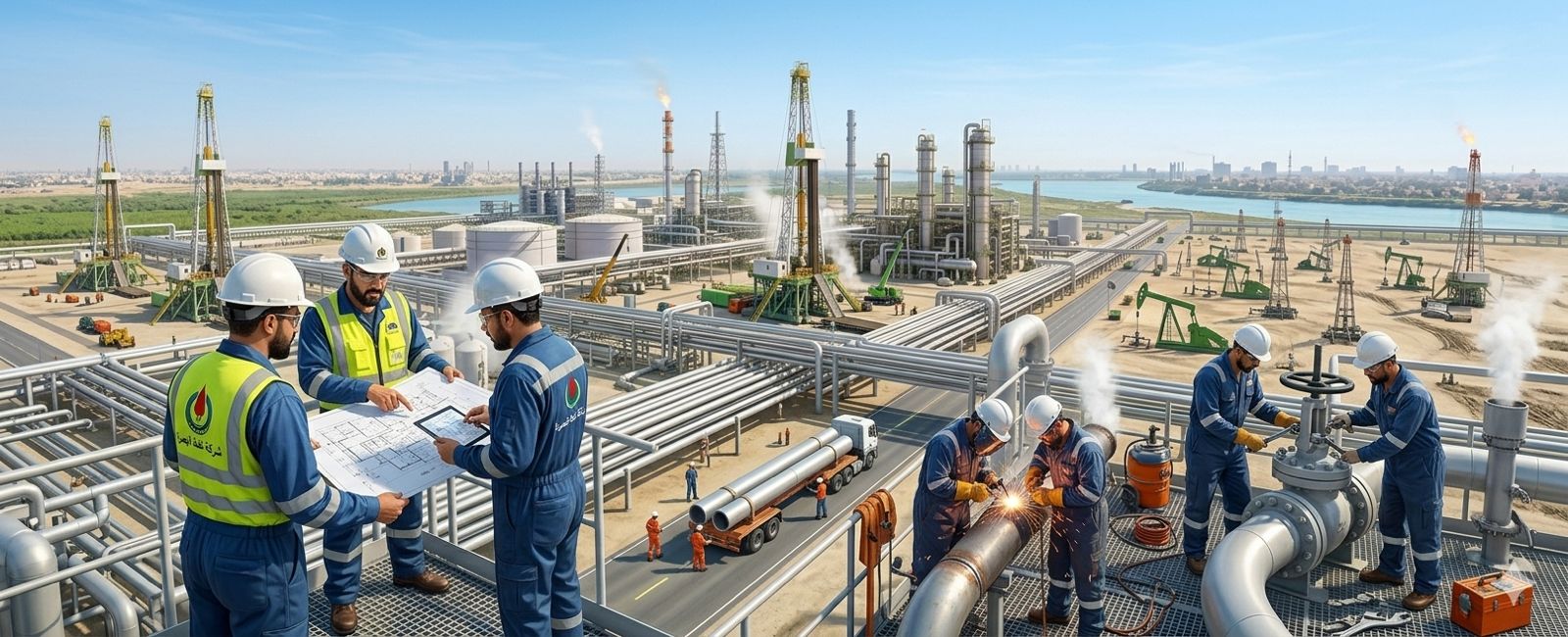


الأقسام العلمية التخصصية
أعضاء الهيئة التدريسية
الطلبة والخرّيجون المسجلون بالبوابة

الأستاذ مساعد الدكتور عباس عبد الامير جاسم — عميد الكلية
بسم الله الرحمن الرحيم
أرحب بكم في رحاب كلية هندسة النفط والغاز، هذا الصرح العلمي التخصصي الفريد الذي يمثل رافداً أساسياً لقطاع الطاقة والنفط والغاز في بلدنا العزيز. نسعى في كليتنا إلى إعداد أجيال من المهندسين والقادة الفنيين الذين يمتلكون المعرفة العلمية الحديثة والمهارات العملية والتحليلية المتقدمة وفق أعلى المعايير العالمية.
إن برامجنا الدراسية المتميزة في هندسة النفط والغاز قد صُممت بعناية لتجمع بين الأصالة الأكاديمية والتطبيق المهني المعاصر. نحن ملتزمون بتوفير بيئة تعليمية محفزة تشجع الابتكار والريادة والشراكة البناءة مع المؤسسات الوطنية الدولية.
استكشف المناهج التعليمية المتطورة، جدول المحاضرات، وسجل مباشرة في المقررات الأكاديمية لمسار بولونيا.
ابحث في دليل التدريسيين والعلماء بالكلية، وقم بالوصول السريع إلى البحوث المنشورة والمجلات العلمية.
تواصل مع خريجي الكلية المتميزين بقطاعات النفط والغاز، واستعرض النتاجات البحثية المشتركة مع المؤسسات.
تصفح وحمل المصادر الدراسية والكتب الأكاديمية والبحوث العلمية التي تحتاجها في مسيرتك الدراسية.
نقدم برامج أكاديمية متميزة مصممة خصيصاً لإعداد قيادات وكفاءات قادرة على إدارة وتطوير قطاع النفط والغاز والطاقة محلياً ودولياً.
تخصص هندسة العمليات الكيميائية وتكرير النفط الخام وتصميم الوحدات الصناعية والمكامن الحرارية.
القسم التخصصي الأساسي الذي يعنى بعمليات حفر الآبار، هندسة المكامن النفطية، إنتاج النفط، والتقييم الجيولوجي والمكمني للآبار.
تأسس قسم هندسة عمليات الغاز والبتروكيمياويات في رحاب كلية هندسة النفط والغاز في جامعة البصرة للنفط والغاز، للحصول على شهادة البكالوريوس في هندسة عمليات الغاز والبتروكيمياويات. تتراوح اعداد القبول للدراسات الأولية بين 40-50 طالب وطالبة سنوياً كحد أدنى. وجاء تأسيس هذا القسم تلبيةً للاحتياجات المتزايدة لقطاع الطاقة في العراق، وتحديداً في محافظة البصرة التي تمثل العاصمة الاقتصادية للبلاد ومركز الصناعات الهيدروكربونية. يسعى القسم إلى سد النقص الحاد في الكوادر الهندسية الوطنية المتخصصة في تقنيات استثمار الغاز المصاحب والطبيعي، وتطوير صناعات التكرير والبتروكيماويات التحويلية، بما يسهم في دعم الاقتصاد الوطني وتحقيق التحول نحو الطاقة النظيفة والمستدامة. المواد التخصصية في القسم تشمل: خواص الغاز، عمليات الغاز الطبيعي، هندسة الغاز الطبيعي، عمليات نقل وخزن الغاز بالإضافة الى تصميم المفاعلات وهندسة البتروكيمياويات والبوليمرات. تعتمد العملية التعليمية في القسم على تكامل الجانبين الأكاديمي والتطبيقي؛ حيث تدرس المناهج بحسب هدف كل مرحلة وبوحدات دراسية متوازنة اعتماداً على معايير مسار بولونيا العالمية. يركز هذا النظام الحديث على تفعيل مخرجات التعلم القائمة على الطالب، وتعزيز مهارات البحث والابتكار من خلال التدريب المختبري المتقدم والزيارات الميدانية للمنشآت النفطية والمجمعات الغازية في محافظة البصرة، مما يضمن مواءمة كفاءة الخريجين مع المعايير الهندسية الدولية ومتطلبات سوق العمل في الشركات الوطنية والأجنبية.
فخورون بإسهامات كادرنا الأكاديمي النشطة في إثراء المعرفة وتطوير حلول مستدامة ومنشورة في كبرى المجلات العالمية المستوعبة.
📖 Journal of Thermal Analysis and CalorimetryOpen source preview
The present review focuses on the issue of freshwater shortage and growing global request for freshwater, which requires a serious need for original technologies, predominantly solar stills combined to thermoelectric cooling (TEC) to improve desalination competence. The originality of this paper lies in directing a methodical review to analytically inspect design optimizations and performance enhancements in solar stills engaging TEC. Therefore, it goes beyond the prior efforts by resolving the insistent encounters of low productivity and energy inefficiency of conservative systems and discovering the developments made by the combined solar stills and TEC. Similarly, this review emphasizes appraising the helpfulness of different layouts and materials used in these systems through energy and exergy analyses. Important results elucidate that integrated TEC can meaningfully increase freshwater productivity, with reported gains of more than 570%. Effectiveness enhancements are ranged between 11.2 and 76.4%. Furthermore, the incorporation of nanofluids, mainly copper oxide nanoparticles at a 0.08% concentration, has improved freshwater productivity by 81% and exergy efficacy by 112.5%. Further benefits are stated by presenting hybrid designs that incorporate photovoltaic panels, phase change materials (PCMs), and heat pipes. Specifically, the hybrid designs afford the possibility of continuous 24-h operation at reduced freshwater production cost of less than $0.031 per liter. Referring to energy and exergy analyses, it can be assured that TEC can play an essential role in minimizing exergy destruction and maximizing thermal gradients within the system. Thus, it can be determined that TEC-integrated solar stills can offer a wonderful solution for sustainable freshwater production to tackle the progressive water scarcity issue. However, some other barriers are still existed that related to high energy consumption and economic viability that must be resolved. Future investigation should therefore put efforts toward developing optimal designs of TEC-integrated solar stills to ensure a balance between performance, cost, and scalability to enable broader implementation. © The Author(s) 2026.

📖 Energy
As energy consumption continues to increase, reducing peak loads and overall demand may become increasingly important in the design of smart buildings. This study explores the potential integration of triple-phase change materials (TPCMs) with machine learning techniques as a way to improve energy efficiency in smart building systems. By embedding TPCMs within building envelopes, it is believed that energy demand management could be optimized, operational costs potentially reduced, grid stress alleviated, and the coefficient of performance (COP) of chillers enhanced. A promising approach may involve the use of deep clustering for multi-agent reinforcement learning (DCMARL), which could facilitate strategic shifting of HVAC cooling loads. This method might help eliminate idle compressor runtimes and partial load inefficiencies, using off-peak cooling hours to boost system performance. DCMARL could also enable the optimal sequencing control of duct dampers, supporting more adaptive and responsive HVAC operations. To address the complexities of this control challenge, the study suggests dividing cooperative multi-agent policies into five piecewise segments using clustered Lagrangian trajectory curves. This segmentation method could help manage nonlinear regression challenges, potentially resulting in more efficient system behavior. Initial results indicate that TPCMs made from tetradecane and hexadecane may show phase change characteristics compatible with recommended indoor comfort ranges. If confirmed, their integration could greatly decrease the size of thermal energy storage systems—possibly to just 18.2 % of the volume needed for conventional PCM envelope strategies. Such a reduction could reveal a transformative potential in collaborative machine learning and PCM integration for energy demand management, cost reduction, and thermal storage efficiency. Depending on operational conditions across three test scenarios, the DCMARL algorithm may achieve energy savings from 4.5 % to 100 %, indicating a wide range of potential benefits. These insights could lead to more sustainable and resilient energy systems in future smart building applications. © 2026 Elsevier Ltd
📖 Powder Technology
Addressing contaminated water from various industrial practices has become a pressing concern. Methylene Blue (MB) dye is a prevalent industrial pollutant used in printing, dyeing, textiles, paper, plastics, and leather production. This study employed an efficient, cost-effective, environmentally friendly, and abundant adsorbent to remove Methylene Blue. Bentonite has been utilized as an adsorbent under varying dosages, acidity (pH), agitation, and salinity of contaminated wastewater. The adsorption capacity is enhanced by increasing the surface area and pore volume of the bentonite particles when they are transformed into nanoparticles. The adsorption capability increased with higher doses (10–50 mg) and longer shaking times (10–40 min), as well as with the concentration of the contaminated dye (5–25 ppm), but it decreased with rising pH values (2−12). The impact of temperature on the adsorption process was examined within the range of 25–55 °C. The results indicated that the adsorption capability is largely unaffected by wastewater salinity up to 10,000 ppm. The maximum adsorption capacities achieved under optimal conditions were 24.25 mg/g for micro-bentonite (μB) and 40.75 mg/g for nano-bentonite (nB), respectively. FTIR was employed to examine the adsorption of methylene blue dye by bentonite. BET, BJH, T-plots, and AFM analyses were conducted to determine the surface area, pore volume, pore diameter, and mean particle diameters for micro and nano bentonite. The results correlated more accurately using the Freundlich isotherm compared to the Langmuir and Tempkin models, due to its superior regression value (R2). The most suitable kinetic model for this investigation was the pseudo-second-order, in contrast to the pseudo-first-order, Elovich, and intra-particle diffusion models. © 2025 Elsevier B.V.
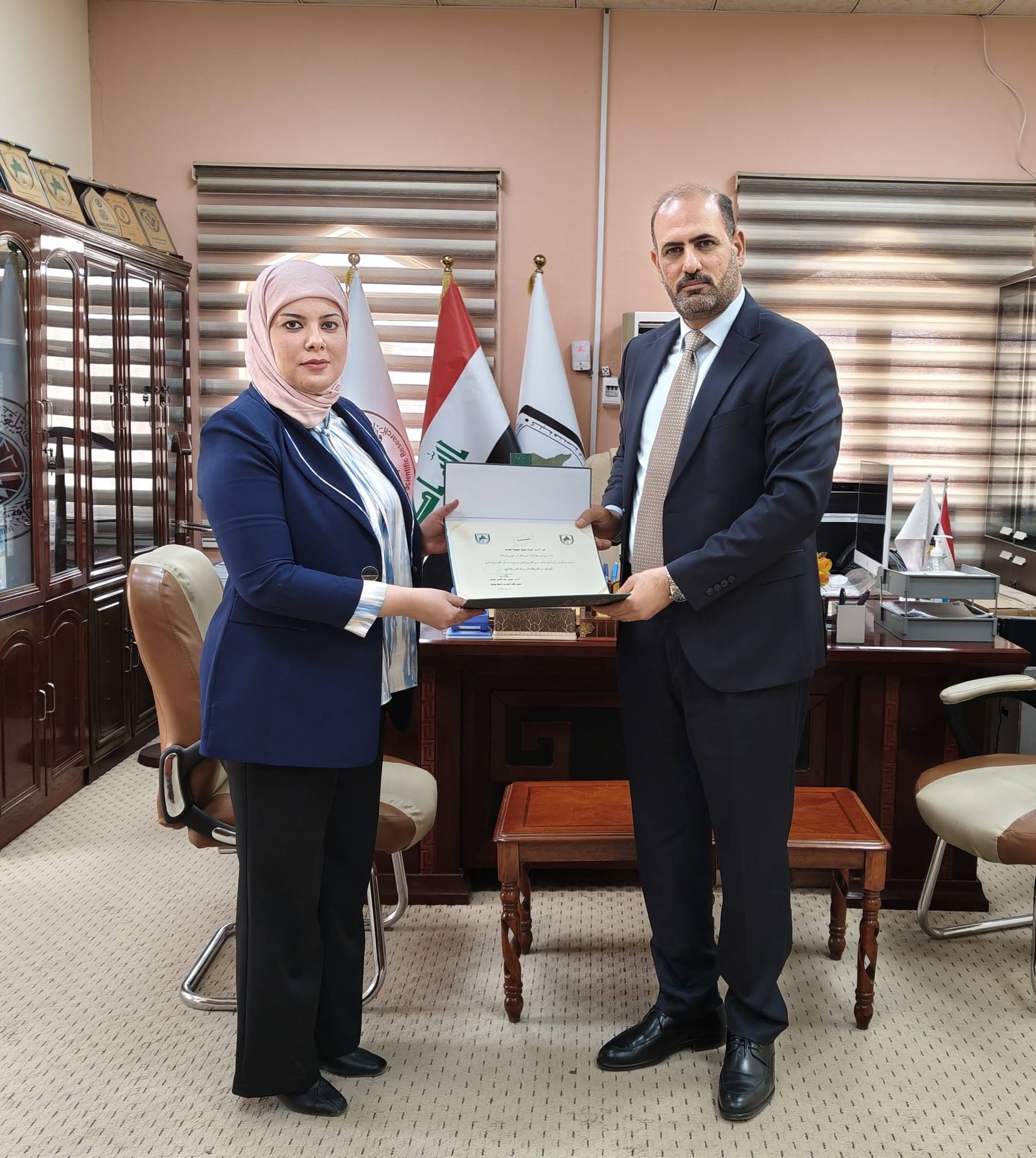
هنأ السيد عميد كلية هندسة النفط والغاز الأستاذ المساعد الدكتور عباس عبد الأمير جاسم التدريسية في قسم هندسة النفط والغاز إسراء جمال...

برعاية السيد رئيس جامعة البصرة للنفط والغاز الاستاذ الدكتور محمد هليل حافظ الكعبي المحترم وإشراف السيد عميد كلية هندسة النفط والغا...
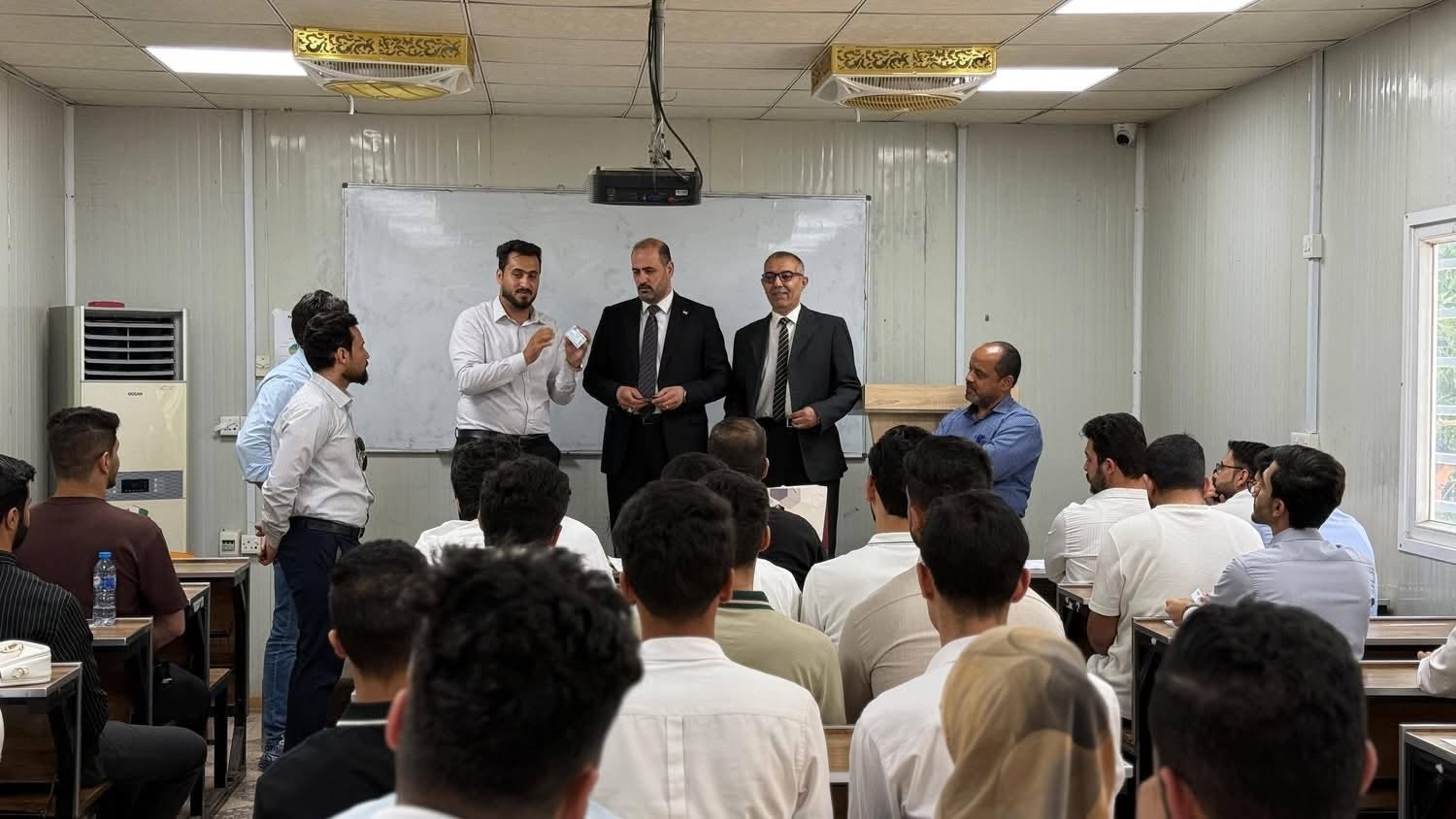
تسليم الهويات الجامعية الجديدة لطلبة كلية هندسة النفط والغاز ضمن منصة التعليم العالي الرقمية (HEPIQ)=======================ضمن إطا...
فخورون بتعاوننا المباشر مع كبرى المؤسسات والشركات العالمية والمحلية لتأهيل وتدريب وتقديم فرص التوظيف المهني الواعدة لطلبة وخريجي الكلية.